

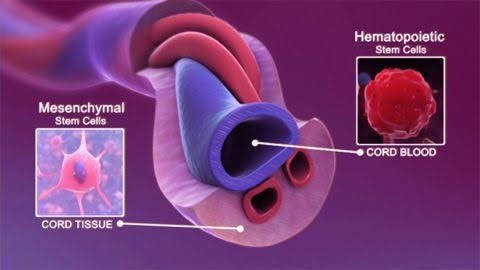
When a baby is born, the umbilical cord is usually cut and discarded—but what if this small piece of tissue could offer a big gift for the future? Today, more parents are choosing to preserve their baby’s umbilical cord, especially the blood inside it, because it contains powerful stem cells that may be helpful for medical treatments later in life. If you’re expecting, or simply planning ahead, understanding how umbilical cord preservation works can help you make an informed decision that could benefit your child and family in the years to come.
In this blog, we’ll take a closer look at what umbilical cord preservation means, how the process works, and why more parents are considering it as part of their birth plan.
What Is Cord Blood?
Cord blood is the blood left inside your baby’s umbilical cord after they are born. It’s like normal blood—it has red and white blood cells, platelets, and plasma. But it also has a special kind of stem cell that helps build a strong immune system.
These stem cells are amazing because they can grow into different types of healthy blood cells. That’s why they’re so useful in medicine.
Doctors use cord blood stem cells to treat illnesses like leukaemia, certain genetic conditions, and immune system diseases. In fact, they can help with over 80 different health problems.
What Is Cord Blood Banking?
Cord blood banking is when doctors collect and store the blood from your baby’s umbilical cord right after birth. This blood is taken from the cord after it has been clamped and cut. These blood cells are stored safely in cord blood banks.
Saving your baby’s cord blood is completely your choice. If you don’t store or donate it, the blood is usually thrown away with the placenta. During pregnancy, your doctor or midwife may talk to you about cord blood banking and whether it’s something you want to do.
Collection Technique
To save enough stem cells, about 40 mL of cord blood needs to be collected. This can be done before or after the placenta comes out.
A small part of the umbilical cord is cleaned first. Then, a needle is used to take blood from the umbilical vein, and the blood flows into a special bag.
The blood should be collected quickly after birth to stop it from clotting and to get more of it. If the blood is not clean or there’s not enough, the cord blood bank will not be able to consider this for banking.
Why Should You Preserve Your Baby’s Umbilical Cord Blood?
Saving your baby’s umbilical cord blood can have many benefits. These special cells can be used to treat serious illnesses like certain types of cancer and blood disorders. One big reason parents choose to store cord blood is that it might help save a life. Collecting cord blood is completely safe and doesn’t affect labour or delivery.
Conclusion
When you’re expecting a baby, there are so many decisions to make. Some are big, some are small—but all of them feel important. Thinking about cord blood banking may not be something you planned for, but it’s a choice that could mean something special one day. It’s not just about storing something medical—it’s about keeping a small part of your baby that might help someone in the future, maybe even your own child or a family member.
You don’t have to know everything right now. Just learning about your options and talking to your doctor is a great first step. In the end, it’s all about doing what feels right for you and your family. Sometimes, the quiet choices we make today can turn out to be something truly meaningful later on.