

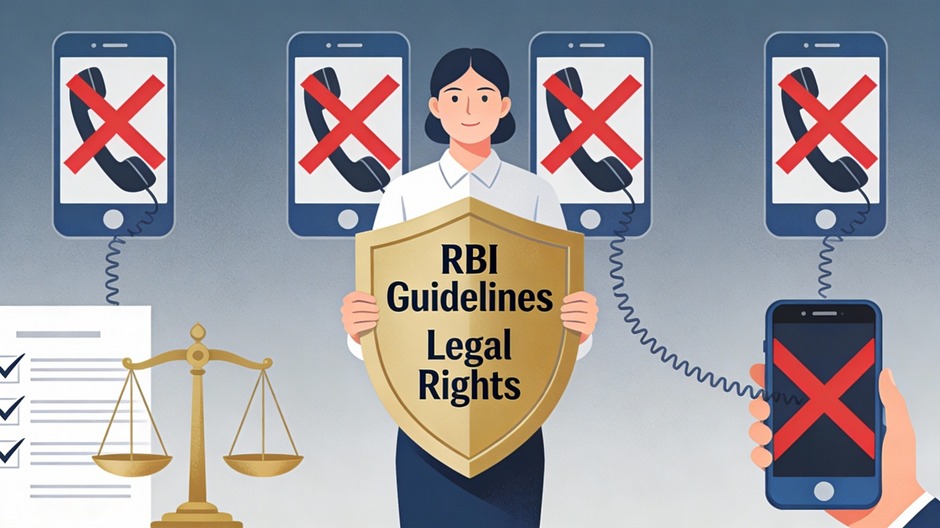
Loan recovery harassment from agents and banks is a serious issue that affects thousands of borrowers in India, but you have legal rights and protections under RBI guidelines. Understanding these rights and knowing how to respond legally can help you stop abusive collection practices and agent harassment while managing your debt responsibly.
Understanding What Constitutes Harassment
Loan recovery harassment includes any behavior by collection agents that violates your dignity or privacy. Agent harassment commonly takes forms such as excessive phone calls at odd hours, threatening language, contacting family members or employers without permission, visiting your home or workplace uninvited, and using abusive or intimidating tactics. Bank harassment occurs when financial institutions or their representatives engage in similar aggressive tactics to recover dues. The Reserve Bank of India has established clear guidelines that prohibit such practices, making these actions illegal and punishable.
Know Your Legal Rights Under RBI Guidelines
The RBI has issued comprehensive guidelines to protect borrowers from aggressive debt collection practices and agent harassment. Recovery agents must be employed directly by banks or NBFCs, and their names must be disclosed to borrowers. They are prohibited from calling between 7 PM and 7 AM, and can only contact borrowers at their place of residence or business, not at any other place. Agents cannot use threatening, intimidating, or abusive language, and they must not disclose borrower information to third parties including family members, friends, or colleagues.
Document Everything
The most powerful tool in stopping agent harassment and bank harassment is thorough documentation. Keep detailed records of every interaction with recovery agents, including dates, times, names, phone numbers, and the nature of each conversation or message. Save all text messages, WhatsApp messages, emails, and voicemails from agents. If possible, record phone conversations (inform the caller you’re recording as per legal requirements), and maintain a written log of visits to your home or workplace. This documentation becomes crucial evidence if you need to file complaints or take legal action against agent harassment.
Send a Written Cease and Desist Notice
If bank harassment or agent harassment continues despite verbal requests to stop, send a formal written notice to both the recovery agency and the lender. This notice should clearly state that the recovery methods being used violate RBI guidelines and demand immediate cessation of harassment. Include specific examples of agent harassment with dates and times, reference relevant RBI guidelines and legal provisions, and specify acceptable communication methods and timings. Send this notice via registered post or email to create an official record, and keep copies for your documentation.
File Complaints with Appropriate Authorities
You have multiple channels for filing complaints against agent harassment and bank harassment. Start by filing a complaint with the bank’s or NBFC’s grievance redressal officer, as lenders are responsible for their recovery agents’ conduct. If the issue isn’t resolved within 30 days, escalate to the Banking Ombudsman for banks or the RBI Ombudsman for NBFCs. For severe agent harassment involving threats, physical intimidation, or privacy violations, file a police complaint under relevant sections of the Indian Penal Code. You can also approach the National Consumer Disputes Redressal Commission if bank harassment causes mental agony or financial loss.
Block Harassing Calls Legally
While you cannot completely avoid lender communication, you can control how and when it happens to prevent agent harassment. Use call-blocking apps approved in India to filter unknown or repeated harassing numbers. Request in writing that the lender communicate only via email or registered post for all future correspondence to avoid direct agent harassment. Provide specific time slots when you’re available to discuss repayment, which is your right under RBI guidelines. If you’ve engaged a lawyer or debt counselor, inform the lender that all communication should go through them to stop bank harassment.
Seek Legal Compensation
Borrowers who suffer agent harassment or bank harassment can claim compensation for mental agony, defamation, and violation of privacy rights. Courts in India have awarded compensation ranging from ₹25,000 to ₹5 lakhs depending on the severity of harassment and evidence provided. To pursue compensation, you’ll need strong documentation of agent harassment incidents, medical records showing stress or mental health impacts if applicable, witness statements from family members or colleagues, and proof of any financial losses resulting from the bank harassment.
Engage Professional Help
Consider consulting a consumer rights lawyer who specializes in debt collection harassment cases involving agent harassment and bank harassment. They can send legal notices, file complaints, represent you in court if needed, and negotiate with lenders on your behalf. Debt settlement companies can also act as intermediaries between you and aggressive lenders, though ensure they’re legitimate and follow ethical practices.
Address the Underlying Debt
While stopping agent harassment and bank harassment is important, remember that you still have an obligation to address the debt. Communicate your willingness to repay, propose a realistic repayment plan based on your current financial situation, explore debt restructuring or settlement options, and maintain regular contact with the lender to show good faith. Lenders are more likely to use reasonable collection methods when borrowers engage constructively rather than avoiding all communication.
Remember that agent harassment and bank harassment are illegal regardless of whether you owe money. You have the right to be treated with dignity while working toward resolving your debt obligations through legal and mutually acceptable means.
For more information visit here : http://www.settleloan360.com/