

Introduction
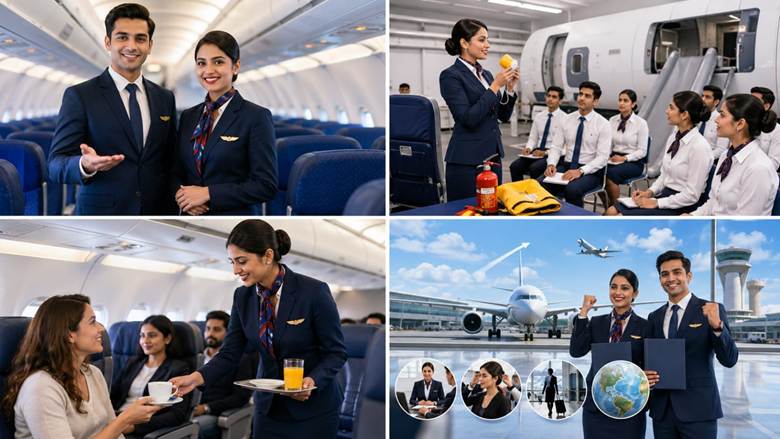
The aviation industry continues to create exciting career opportunities for young professionals who aspire to work in a dynamic, customer-focused environment. While many students dream of becoming pilots, a large number also build successful careers as cabin crew members, air hostesses, flight stewards, and airport professionals. If you’ve recently completed your higher secondary education and are passionate about travel, communication, and hospitality, enrolling in Cabin Crew Training After 12th can be the perfect first step toward an exciting aviation career.
Modern airlines seek professionals who combine confidence, excellent communication skills, customer service expertise, and the ability to remain calm under pressure. Professional training helps students develop these essential qualities while preparing them for airline recruitment processes.
Whether you’re researching a Cabin Crew Course with Placement, comparing Air Hostess Course Fees Mumbai, or searching for the Best Cabin Crew Training Institute in Mumbai, understanding your options will help you make an informed career decision.
Why Choose a Cabin Crew Career?
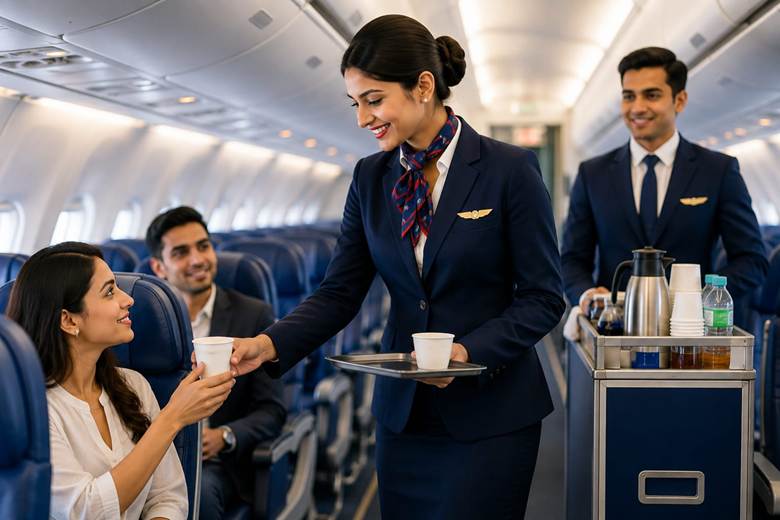
Cabin crew members play a vital role in ensuring passenger safety, comfort, and satisfaction throughout every flight. Their responsibilities extend beyond hospitality and include safety demonstrations, emergency preparedness, customer assistance, and effective communication with passengers from diverse backgrounds.
Some of the key advantages of this profession include:
- Opportunities to travel domestically and internationally
- Competitive salary packages and travel benefits
- Dynamic work environment
- Strong career growth prospects
- Exposure to multicultural workplaces
- Development of valuable communication and leadership skills
With the continued expansion of India’s aviation industry, airlines regularly recruit trained professionals to support growing passenger demand.
Can You Start Cabin Crew Training After 12th?
Yes. One of the biggest advantages of this career path is that students can begin Cabin Crew Training After 12th without waiting to complete a university degree.
Most aviation training programmes accept students who have successfully completed their 10+2 education, subject to institute-specific eligibility criteria.
Starting your training early allows you to:
- Enter the aviation industry sooner
- Develop professional skills at a younger age
- Gain confidence through practical learning
- Prepare effectively for airline interviews
Many successful cabin crew professionals begin their aviation journey immediately after finishing school.
What Does a Cabin Crew Training Programme Include?
Professional cabin crew training is designed to prepare students for the real working environment of domestic and international airlines.
Training generally covers:
Aviation Fundamentals
Students learn how the airline industry functions, including airport operations, airline departments, and cabin crew responsibilities.
Passenger Service Excellence
Providing exceptional customer service is one of the most important responsibilities of cabin crew professionals. Students are trained to handle passenger interactions professionally and confidently.
Safety and Emergency Procedures
Passenger safety remains the highest priority for every airline. Training includes emergency evacuation procedures, safety demonstrations, first aid awareness, and onboard emergency protocols.
Grooming and Personality Development
Professional appearance and confidence are essential in aviation careers. Students receive guidance on grooming standards, body language, communication skills, and interview etiquette.
Communication Skills
Cabin crew members interact with passengers from different cultures every day. Training focuses on spoken English, interpersonal communication, conflict resolution, and teamwork.
Cabin Crew Course with Placement: Why Placement Support Matters
Choosing a Cabin Crew Course with Placement offers students additional confidence as they transition from training to employment.
Placement support may include:
- Resume preparation
- Interview coaching
- Group discussion practice
- Personality development sessions
- Mock airline interviews
- Career counselling
While employment can never be guaranteed, institutes that provide structured placement assistance help students prepare more effectively for airline recruitment opportunities.
Understanding Air Hostess Course Fees Mumbai
One of the first questions students ask is about Air Hostess Course Fees Mumbai. Fees vary depending on several factors, including programme duration, curriculum, practical training, faculty experience, facilities, and additional career support.
Rather than choosing a programme based solely on cost, students should evaluate the overall value offered by the institute. A well-designed course that provides industry-relevant training, experienced instructors, and career guidance can be a worthwhile investment in your future.
Prospective students are encouraged to request detailed information about course modules, learning resources, practical sessions, and placement support before enrolling.
Choosing the Best Cabin Crew Training Institute in Mumbai
Selecting the Best Cabin Crew Training Institute in Mumbai requires more than comparing advertisements or fee structures.
Look for an academy that offers:
- Experienced aviation trainers
- Industry-oriented curriculum
- Communication and grooming development
- Practical learning sessions
- Interview preparation
- Student mentoring
- Career counselling
- Professional learning environment
The right institute focuses on developing confident, knowledgeable, and industry-ready professionals rather than simply completing classroom instruction.
Expanding Career Opportunities Beyond Cabin Crew
Although many students dream of becoming cabin crew members, aviation offers several other exciting career paths.
For those interested in airport operations, Airport Ground Staff Training Mumbai can prepare candidates for roles in passenger handling, check-in services, baggage operations, customer assistance, and airport support functions.
These positions are essential to the smooth operation of airlines and airports, making them another excellent career option for students interested in aviation.
Why Choose AirStar Academy?
AirStar Academy is committed to preparing aspiring aviation professionals through industry-focused education and practical learning. The academy offers training designed to help students develop technical knowledge, communication skills, professional grooming, and interview confidence. Its experienced faculty and student-focused approach aim to equip learners with the skills needed for careers in aviation and hospitality.
Frequently Asked Questions About Cabin Crew Training
Can I join cabin crew training after completing 12th?
Yes. Students who have completed 10+2 and meet the institute’s eligibility requirements can pursue cabin crew training.
Is English important for cabin crew jobs?
Yes. Strong communication skills in English are important because cabin crew interact with passengers, airline staff, and international travellers.
What skills are most important for cabin crew?
Customer service, communication, teamwork, problem-solving, confidence, professional grooming, and adaptability are among the most valuable skills.
Can cabin crew professionals switch to airport ground operations?
Many transferable skills apply across aviation, and additional training may help professionals move into airport operations, customer service, or supervisory roles.
Conclusion
A career in aviation offers excitement, personal growth, and the opportunity to work in a fast-paced global industry. Choosing Cabin Crew Training After 12th allows students to begin building practical skills early while preparing for rewarding opportunities with airlines and airport organisations.
Whether you’re comparing a Cabin Crew Course with Placement, researching Air Hostess Course Fees Mumbai, or looking for the Best Cabin Crew Training Institute in Mumbai, selecting a quality training academy is one of the most important decisions you’ll make. With the right guidance, industry-focused learning, and consistent effort, you can take the first step toward a successful career in aviation.